Do I Have ADHD? A Guide to Testing, Diagnosis, and Next Steps
Thanks to the rise of social media and mental health awareness, millions of adults are suddenly looking back at their lives and realizing that their lifelong struggles might have a name.
If you are constantly overwhelmed, struggling with executive dysfunction, and wondering, "Do I actually have ADHD?" you are not alone. But what do you do next?
The First Step: Self-Assessment
Before spending months on a waitlist to see a psychiatrist, the best first step is to take a scientifically validated self-assessment. The gold standard for adults is the ASRS v1.1 (Adult ADHD Self-Report Scale), developed in conjunction with the World Health Organization.
This isn't a BuzzFeed quiz. The ASRS asks you to rate the frequency of specific struggles over the past 6 months, such as:
- How often do you have trouble wrapping up the final details of a project?
- How often do you have difficulty getting things in order when you have to do a task that requires organization?
- How often do you leave your seat in meetings or other situations where you are expected to remain seated?
If your scores indicate a high likelihood of ADHD, it is time to seek a formal diagnosis.

What the Actual Diagnostic Process Looks Like
Getting diagnosed as an adult can be intimidating, but knowing what to expect can help ease the anxiety. A formal evaluation is usually conducted by a psychiatrist, a clinical psychologist, or a neurologist.
The process typically involves:
1. The Clinical Interview
The doctor will ask you extensively about your current struggles, your mental health history, and your childhood. Because ADHD is a neurodevelopmental disorder, the symptoms must have been present before the age of 12 for an official DSM-5 diagnosis. (Though they may not have caused significant impairment until adulthood).
2. Ruling Out Other Causes
Many conditions mimic ADHD. Chronic sleep deprivation, thyroid issues, trauma, depression, and severe anxiety can all destroy your working memory and focus. The doctor must rule these out to ensure ADHD is the true underlying cause.
3. Neuropsychological Testing (Optional but Common)
Some doctors will have you complete computerized tests designed to measure your sustained attention, impulse control, and working memory (like the TOVA or CPT tests).
The "Masking" Problem in Testing
There is a known flaw in formal ADHD testing for adults, particularly for women and high-achievers. It is called masking.
If you have spent 30 years learning how to aggressively hyper-focus during high-pressure situations to avoid failure, you might actually score perfectly on a 20-minute computerized attention test in a sterile doctor's office. The test environment provides novelty and urgency—the exact things that temporarily cure ADHD paralysis!
A good clinician understands that passing a focus test does not mean you don't have ADHD. They will weigh your real-world struggles (like how you perform at home when the adrenaline wears off) much heavier than a computerized test.

What to Do While Waiting
Waitlists for adult ADHD assessments can stretch for months. But here is the good news: You do not need an official diagnosis to start building ADHD-friendly systems.
If the strategies designed for ADHD brains make your life easier, use them!
- Stop trying to rely on your internal memory and start writing everything down.
- Stop trying to use traditional, rigid planners that make you feel guilty.
- Start gamifying your tasks to manufacture dopamine.
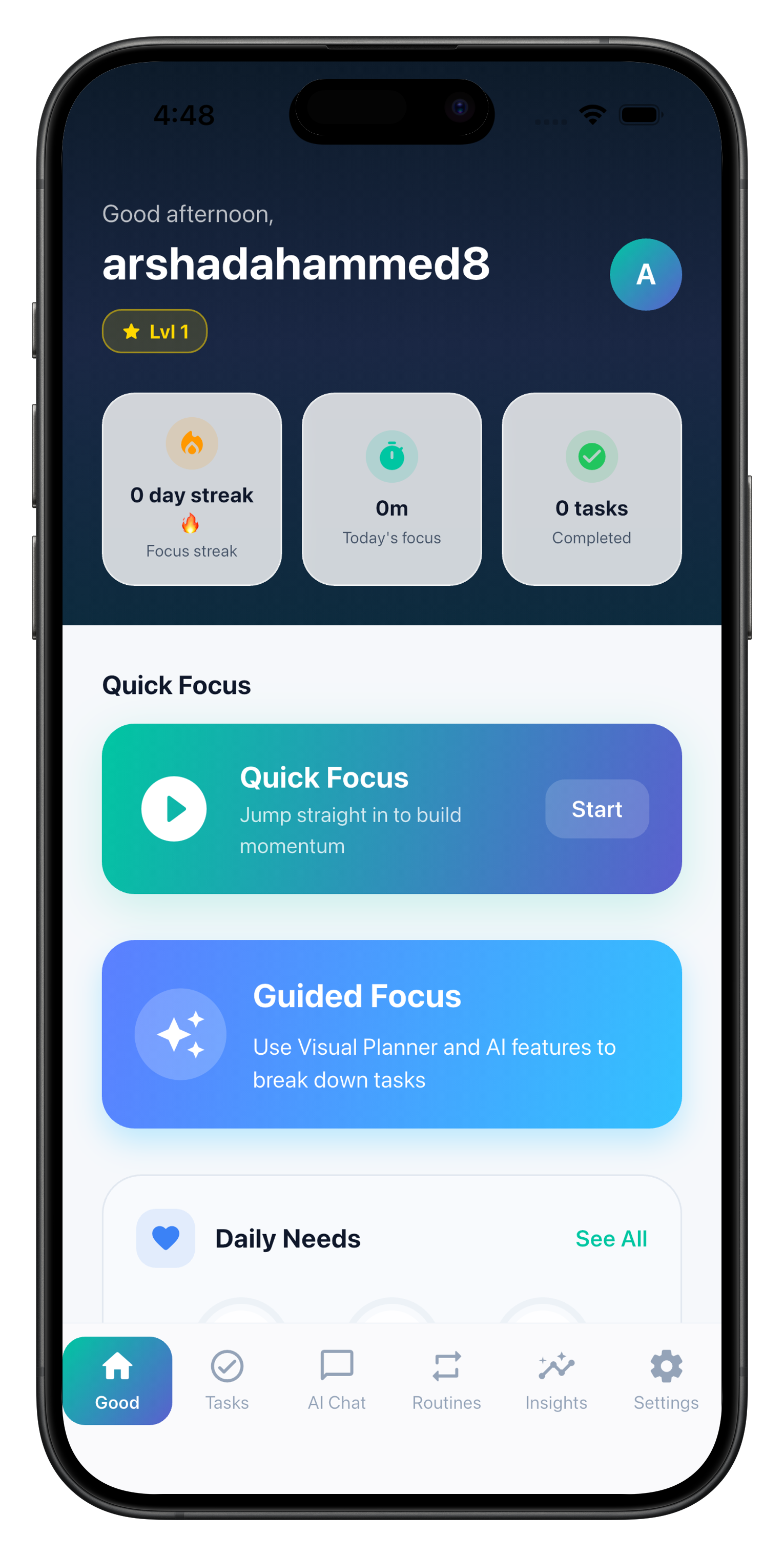
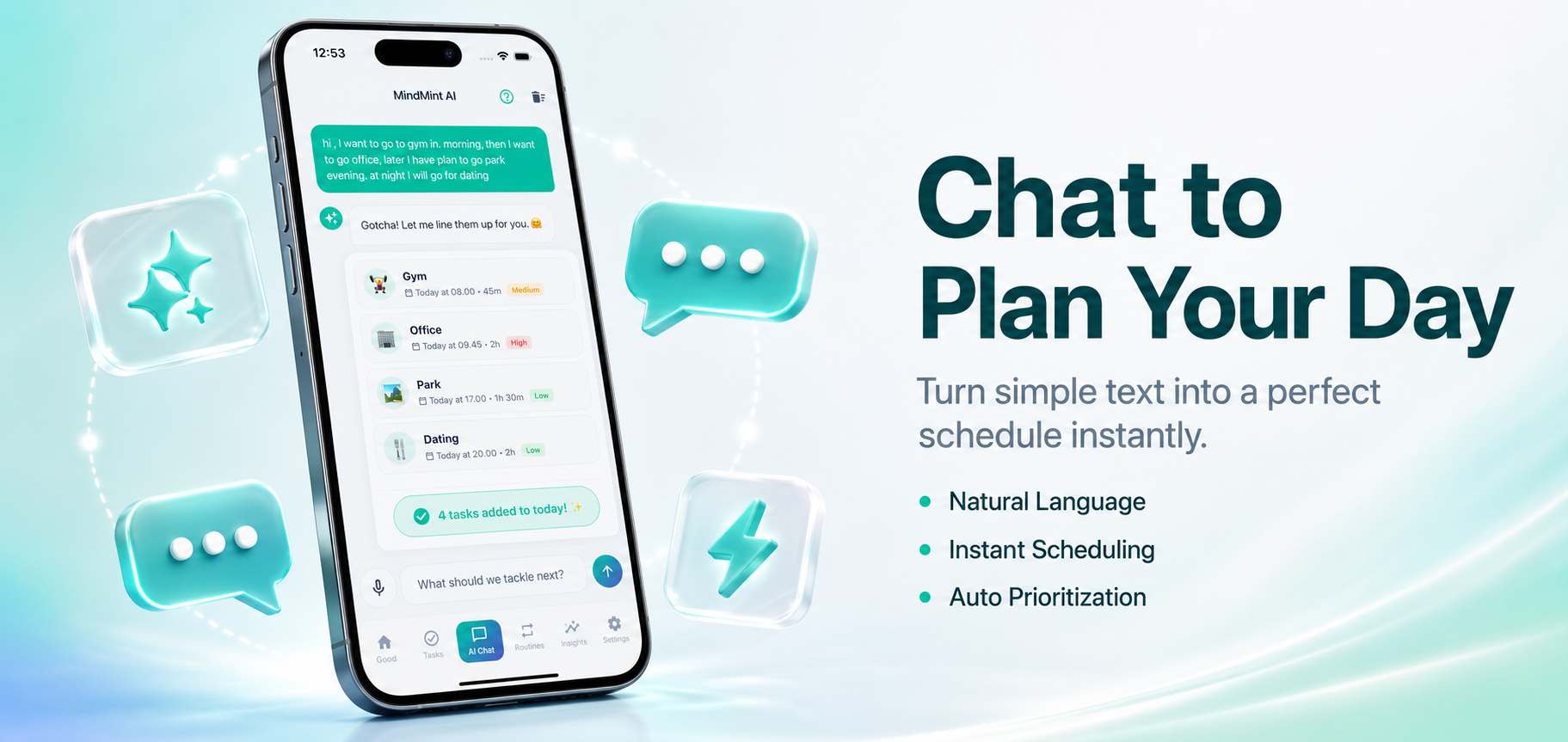
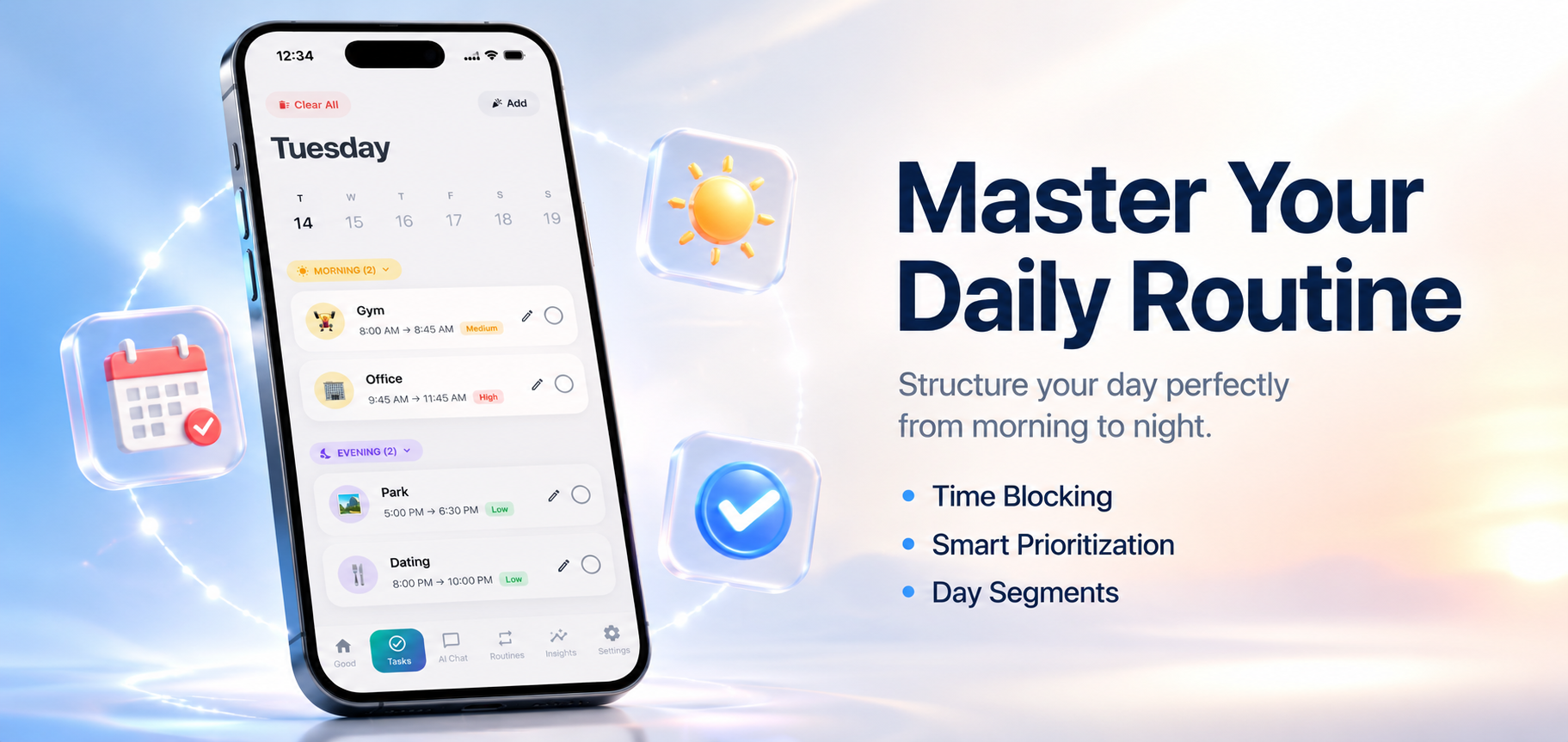
This is exactly why MindMint exists. We built this tool because we know that waiting for medical help doesn't pause the overwhelming responsibilities of your daily life. MindMint's AI acts as your personal executive assistant, breaking down massive projects into tiny, non-threatening steps so you can actually get started.
Whether you end up with an official ADHD diagnosis or just discover that you struggle with executive function, building a system that works with your brain is always the right answer.