Autism vs. ADHD: Understanding the Overlap and the Differences
For decades, psychological diagnostic manuals stated that a person could not be diagnosed with both Autism Spectrum Disorder (ASD) and Attention-Deficit/Hyperactivity Disorder (ADHD). You either had one or the other.
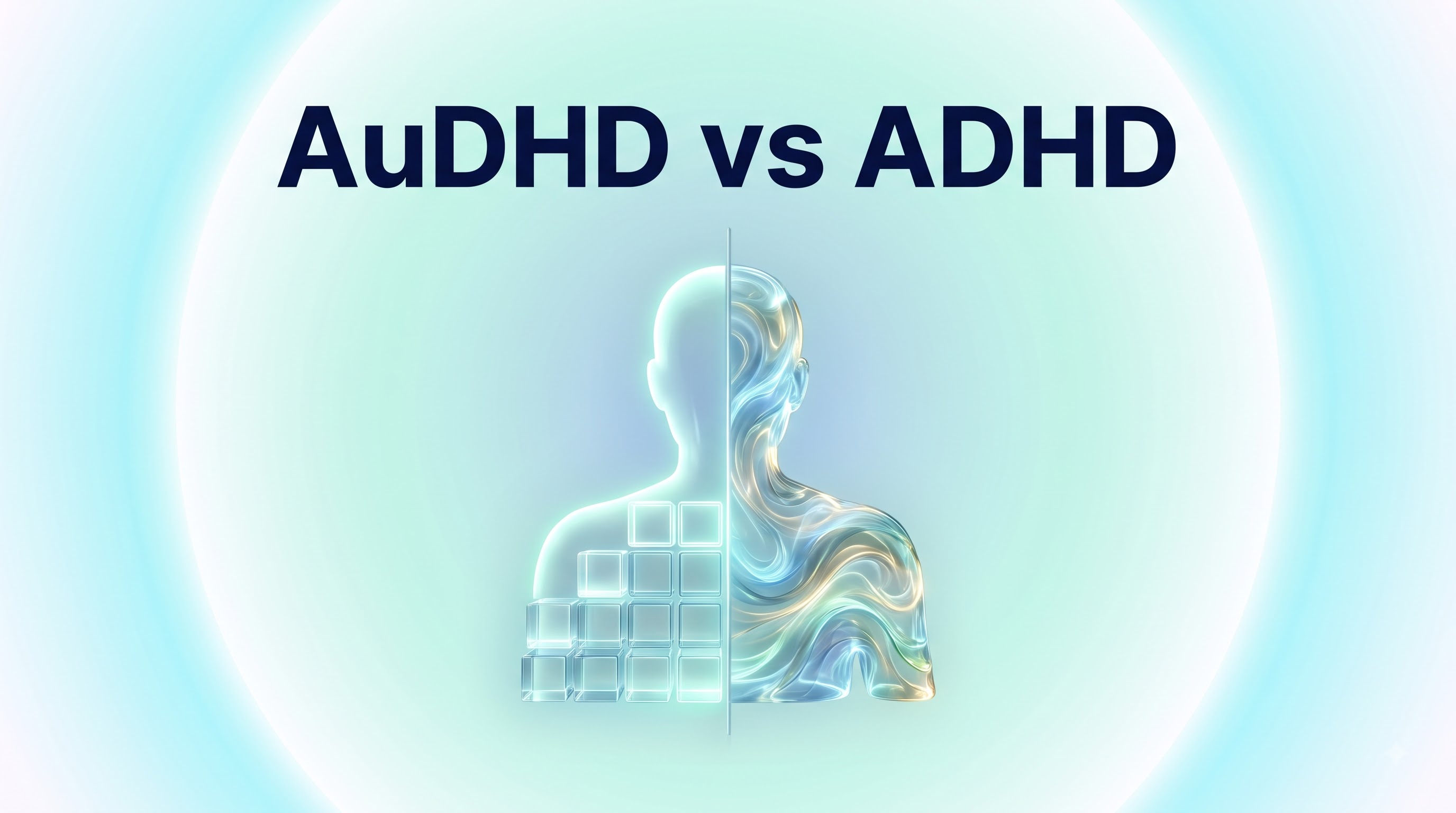
Today, we know that isn't just false—it's wildly inaccurate. Not only can you have both (a combination affectionately dubbed AuDHD in the neurodivergent community), but the two conditions share such a massive overlap in traits that they are frequently mistaken for one another.
So, where does ADHD end and Autism begin?
The Incredible Overlap
If you look at the symptoms of both conditions, the Venn diagram has a substantial middle section. Both Autistic and ADHD brains process the world differently than neurotypical brains, leading to shared struggles:
1. Executive Dysfunction Both conditions impair the prefrontal cortex, making planning, organizing, initiating tasks, and remembering multi-step instructions incredibly difficult.
2. Sensory Processing Issues Both Autistic and ADHD individuals frequently experience sensory overload. Bright lights, loud noises, scratchy fabrics, or chaotic environments can trigger physical pain and emotional meltdowns.
3. Hyperfixation and Special Interests An ADHD "hyperfixation" (an intense, temporary obsession with a hobby or topic) looks incredibly similar to an Autistic "special interest" (a deep, enduring passion and encyclopedic knowledge of a specific topic).
4. Social Exhaustion and Masking Both groups spend a massive amount of cognitive energy "masking" their neurodivergent traits to fit in socially, often leading to severe burnout.

The Core Differences
While they look similar from the outside, the internal motivation behind the behaviors is where the differences emerge.
1. Routine vs. Novelty
This is the most stark contrast between the two conditions.
- The Autistic Brain thrives on structure, predictability, and routine. Sudden changes to a plan can cause severe distress and dysregulation. Repetition feels safe and comforting.
- The ADHD Brain is chronically under-stimulated and craves novelty, chaos, and spontaneity. Routine quickly becomes physically painful, leading to boredom and a desperate search for dopamine.
2. Attention and Focus
- Autism: Tends to naturally sustain incredibly deep, narrow focus on topics of interest, sometimes struggling to shift attention away when needed.
- ADHD: Struggles to sustain focus on anything that isn't immediately rewarding or urgent, constantly shifting attention from one stimulus to the next.
3. Social Communication
- Autism: Often struggles with interpreting neurotypical social cues, sarcasm, and non-verbal communication. Communication is usually literal and direct.
- ADHD: Usually understands the social cues perfectly well, but struggles with impulse control—interrupting others, oversharing, or blurting things out due to a hyperactive mind.

The Paradox of AuDHD (Having Both)
Because the medical community now recognizes that you can have both, millions of adults are discovering they are AuDHD.
Living with AuDHD is often described as a constant internal tug-of-war.
- Your Autistic side desperately wants a rigid, predictable daily routine to feel safe.
- Your ADHD side gets bored of that routine by Tuesday and wants to impulsively fly to a different country.
- Your ADHD side creates a massive, chaotic mess.
- Your Autistic side is overstimulated and deeply distressed by the mess.
It is a paradox of needing structure but being entirely unable to maintain it.
Why Misdiagnosis is Common
Because of the massive overlap, many adults (especially women) are misdiagnosed for years. An Autistic woman who is highly empathetic and chaotic might be misdiagnosed with just ADHD. An ADHD man with intense social anxiety and sensory issues might be misdiagnosed with Autism.
The Bottom Line: Whether you have ADHD, Autism, or both, the goal isn't to force your brain to act neurotypical. The goal is to build an environment that supports your unique neurobiology.
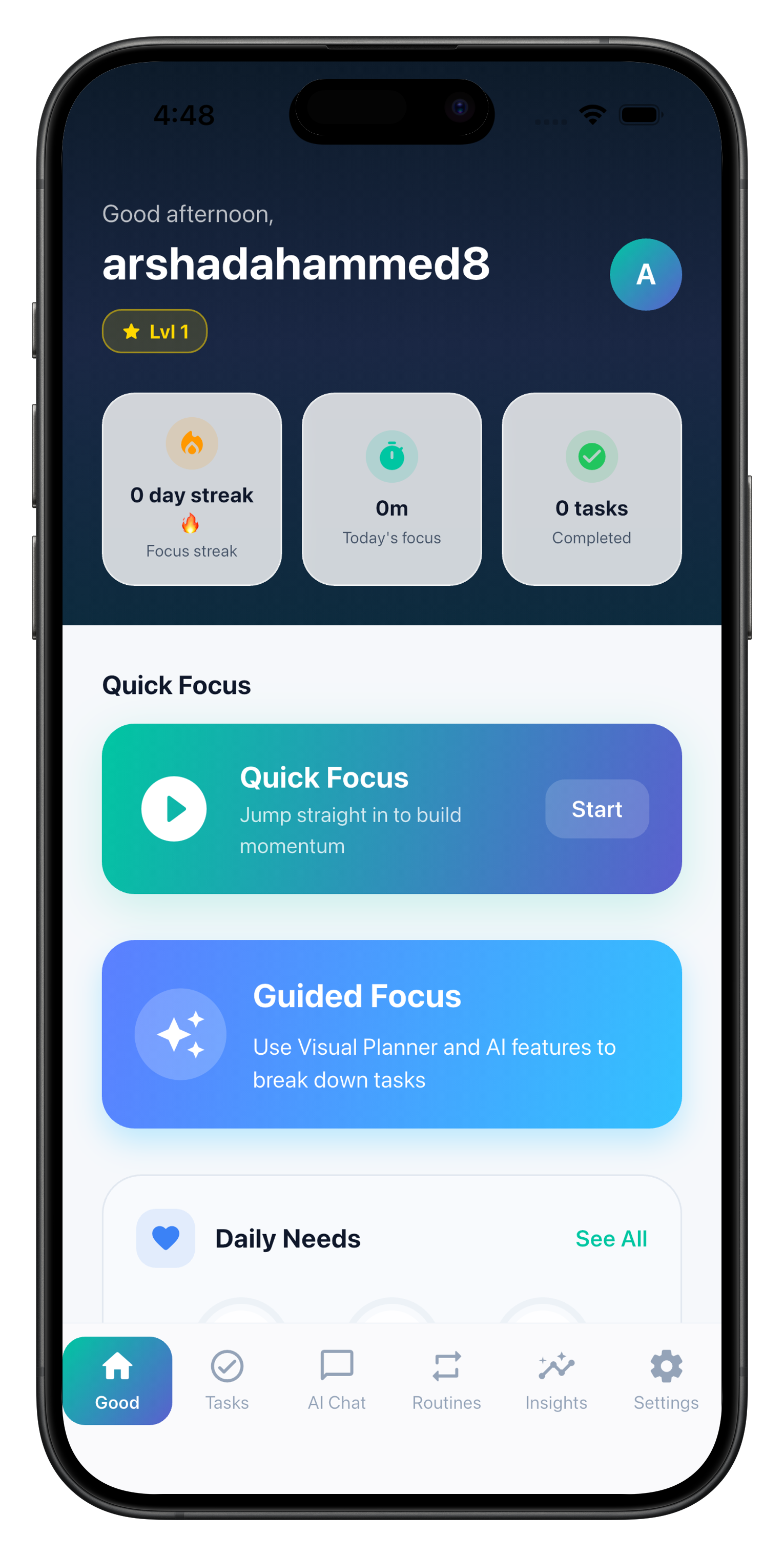
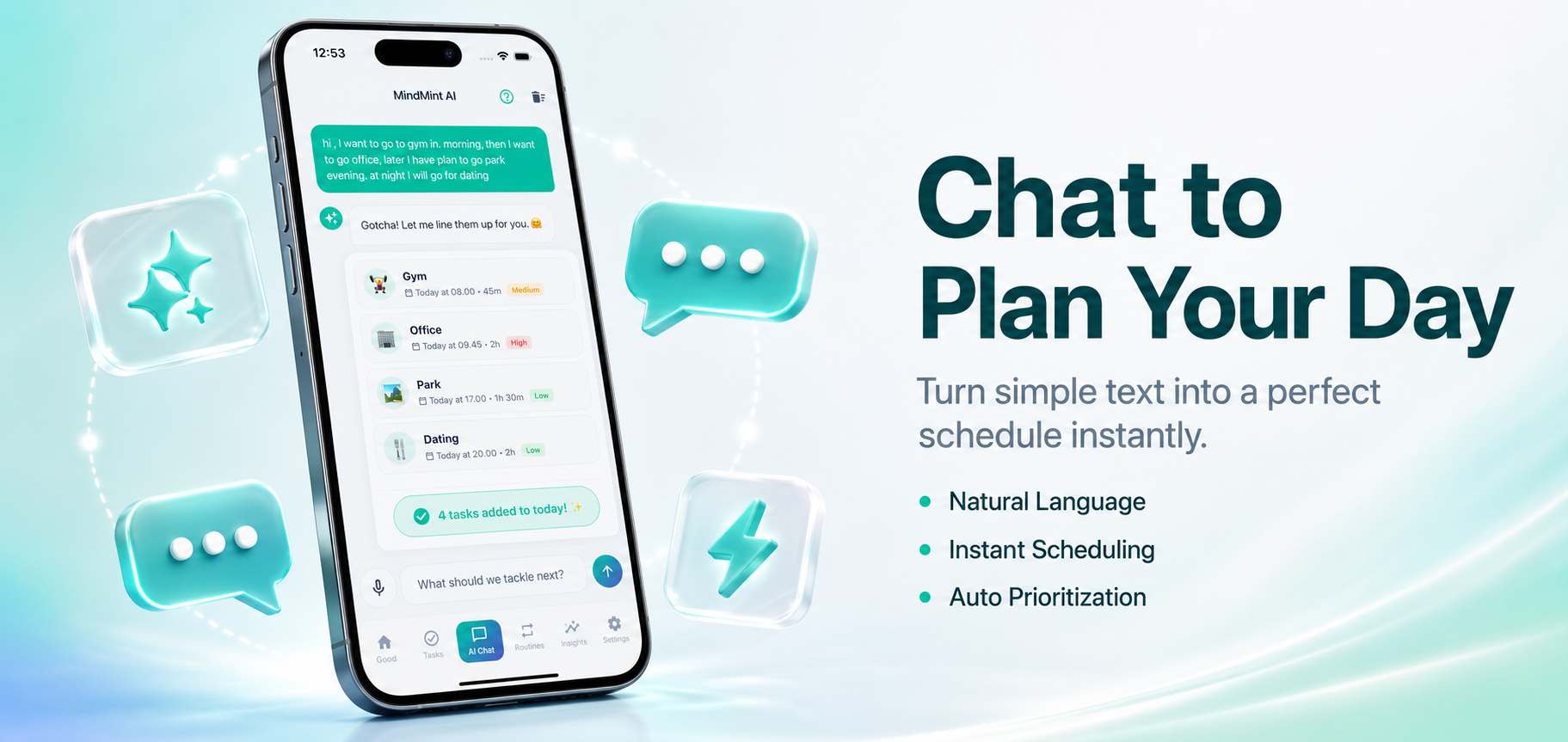
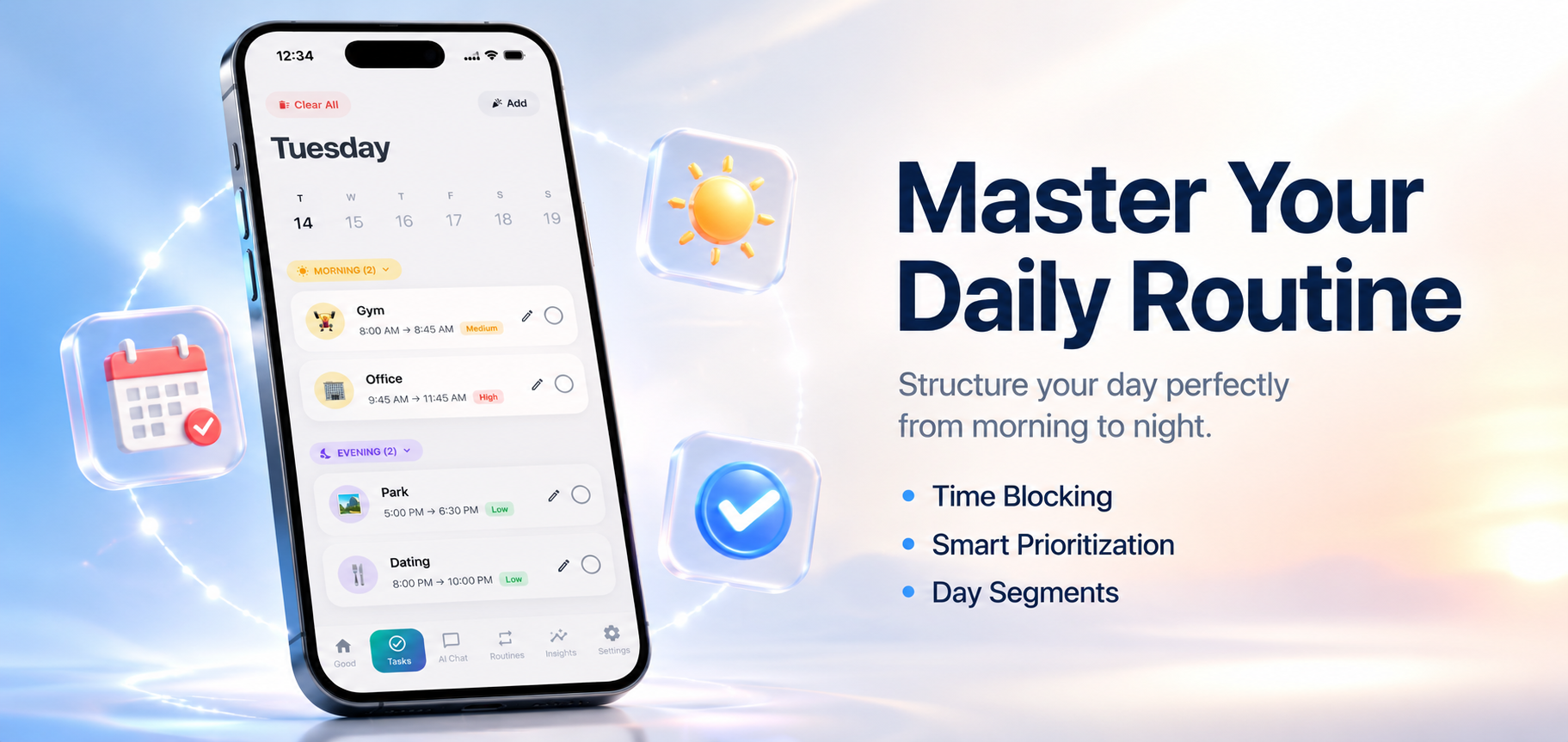
If you struggle with the classic AuDHD paradox of needing structure but hating routine, tools like MindMint can bridge the gap. By using AI to create flexible, dopamine-driven task plans, you get the structure your Autistic side craves with the novelty and visual stimulation your ADHD side demands.